Turn Your Lunch Break into a Living Stage
Why Short Sets Shine at Noon
The science behind swift melodies
Neuroscience suggests focused attention cycles work best with brief resets, and live rhythm activates reward pathways more reliably than passive playlists. Fifteen minutes of intentional listening can lower perceived stress, improve working memory, and prime divergent thinking, especially when tempos gradually rise, dynamics breathe, and silence between phrases lets the mind reorganize.
Anecdote: A team finds their rhythm
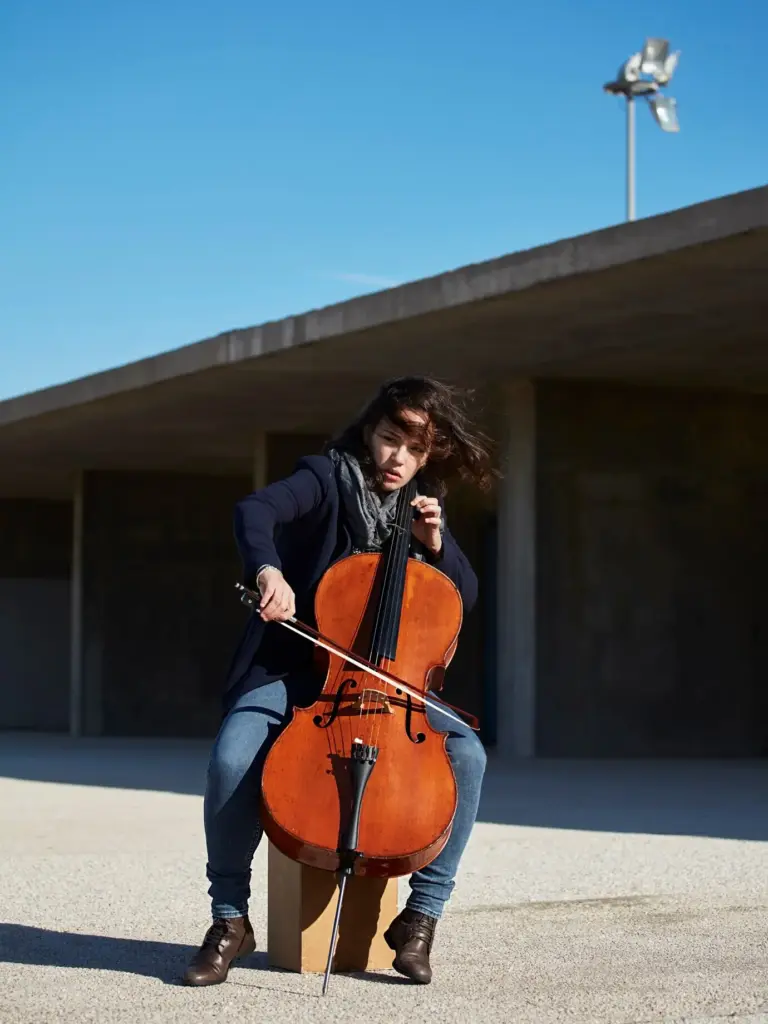
In a marketing squad from Warsaw, Tuesdays dragged until a cellist streamed three compact pieces during lunch. Cameras stayed off, chat filled with emoji applause, and after fifteen minutes the group reopened briefs with surprising ease. They later made it weekly, noticing fewer snippy comments and faster approvals by Thursday.

Simple Tech for Seamless Streams

Curation that Fits Between Bites

From the Artist’s Side of the Screen

Setlists designed for the fifteen-minute arc
Monetization without pressure
Intimacy at scale
Make Lunch a Social Concert
01
Chat prompts that actually land
Offer invitations that are simple and safe: describe the scene outside your window, name a color the music evokes, share a two-word mood. Responses seed conversation without stealing focus. Collect the best lines for a weekly recap, credit contributors, and invite newcomers to add their sparks next time.
02
Micro-challenges and movement
Build gentle participation prompts: stretch during the bridge, find a rhythm in your typing, or sync a breath with the drummer’s hi-hat. Tiny movements reduce stiffness and deepen musical connection. Ask for photos of desk plants swaying, share them with consent, and keep everything playful, optional, and inclusive.
03
Accessibility and inclusion
Turn on captions, describe visual changes, and avoid strobe effects. Offer volume-normalized replays and downloadable set notes. Schedule rotating times to serve multiple time zones. Invite feedback from neurodivergent listeners about pace, contrast, and chat speed, then adjust practices openly so everyone feels welcome, energized, and respected.
Consistency, Signals, and Growth

Calendar cadence people can trust
Promotion that respects the break